About All ToursFrom Taormina ToursSummit ToursWine from Taormina ToursFrom Catania ToursWine ToursJeep ToursHiking ToursFrom Palermo ToursHalf Day ToursSunset Tours Directions Hours & Fees
Find Tours 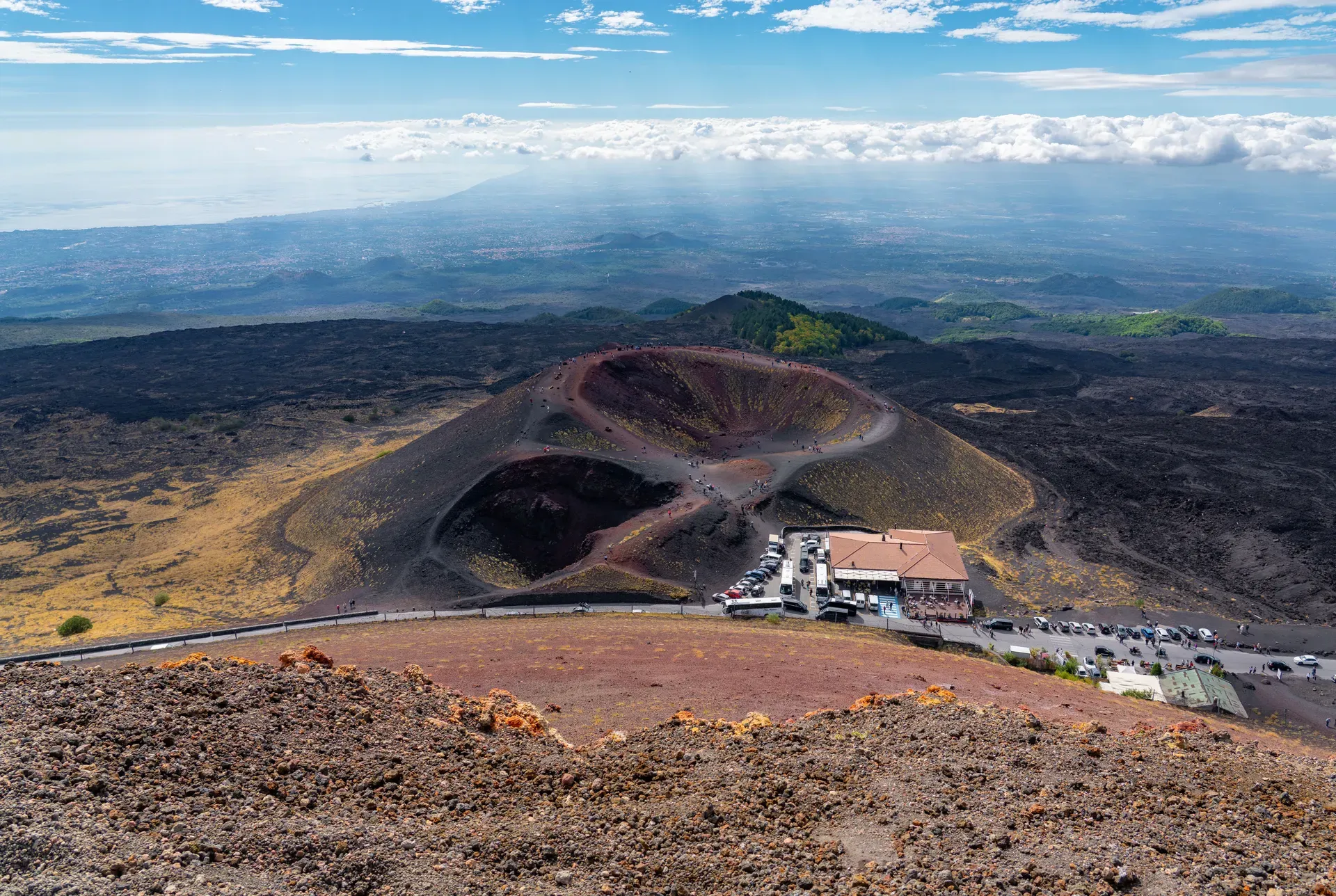
Reach the highest accessible points of Europe's largest active volcano on a guided trek to the summit craters. These 5 to 6-hour excursions include certified volcanological guides and essential trekking equipment for a safe and memorable ascent.
 Free Cancellation
 Reach Etna's 3,340m summit craters by 4x4 and a two-hour hike to see active vents and recent lava flows.
 Free Cancellation
 Hike to the 3,250m summit of Mount Etna and stand on the edge of the massive Bocca Nuova crater.
 Free Cancellation
 Reach the 3,000-meter summit of Mount Etna on a guided five-hour trek departing from the Sapienza Refuge.
 Free Cancellation
 Hike to Mount Etna’s summit craters with a certified volcanological guide in a group limited to 10 participants.
Read what travelers share about their experience visiting Mount Etna — from practical tips to personal highlights.
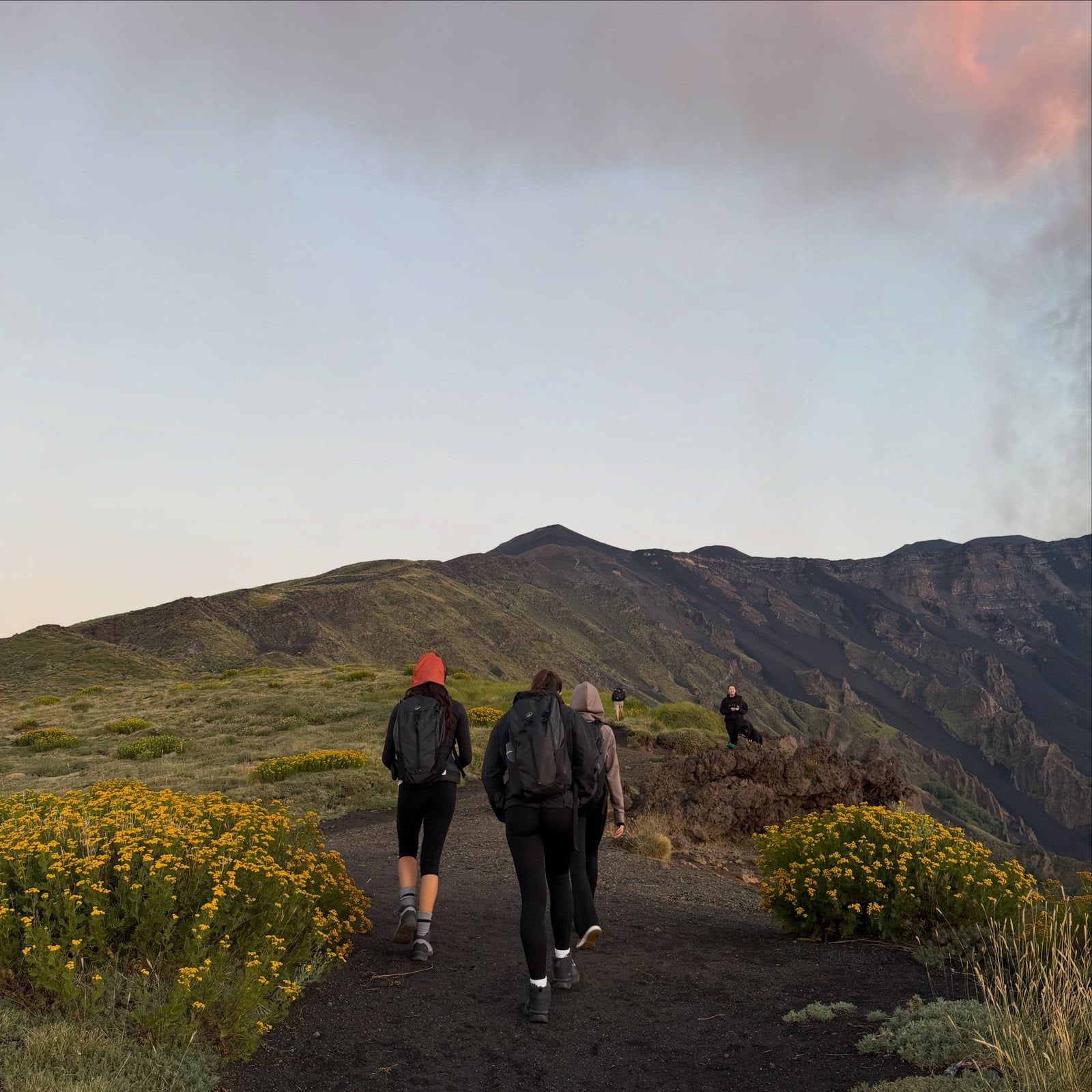
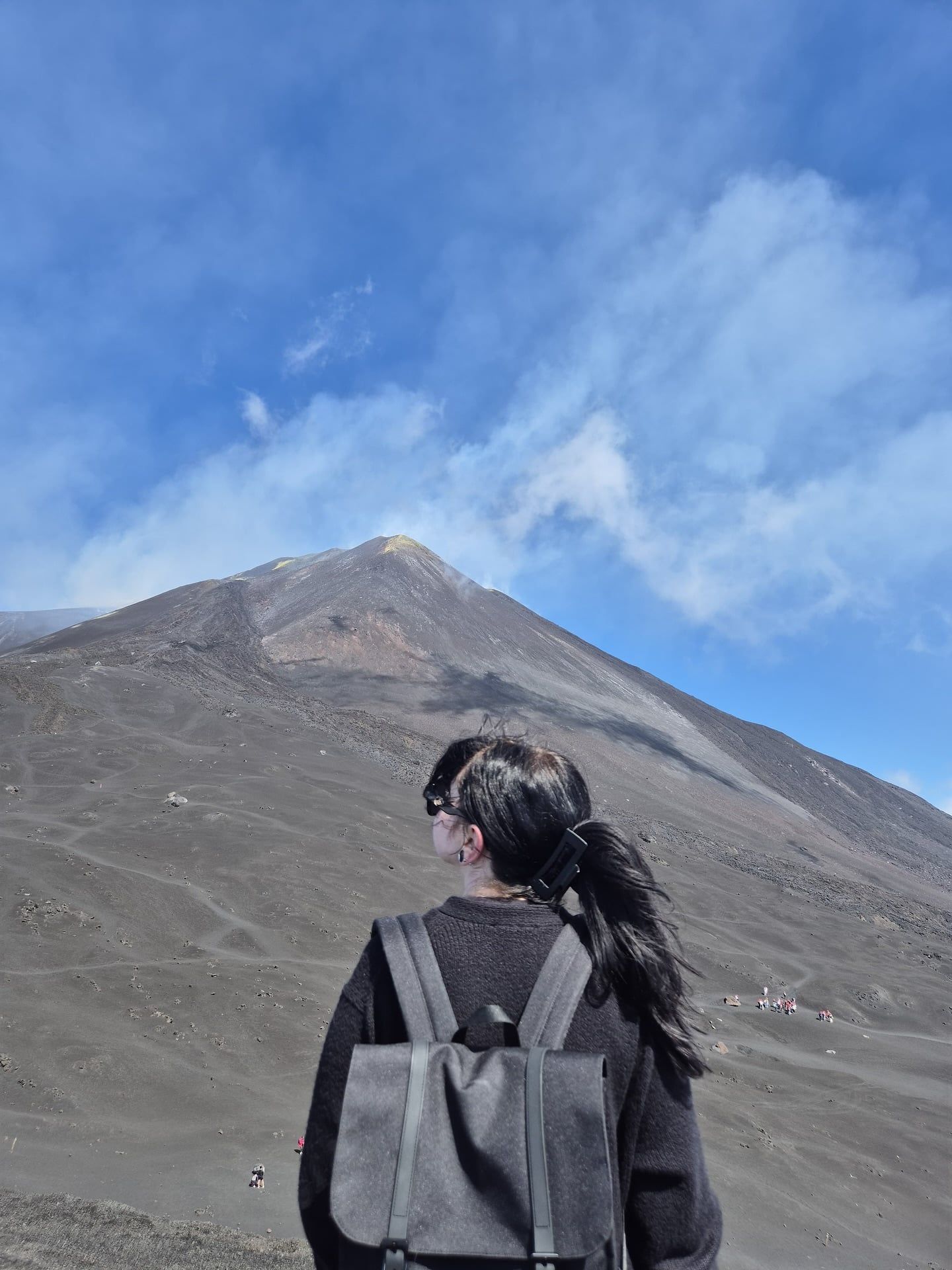
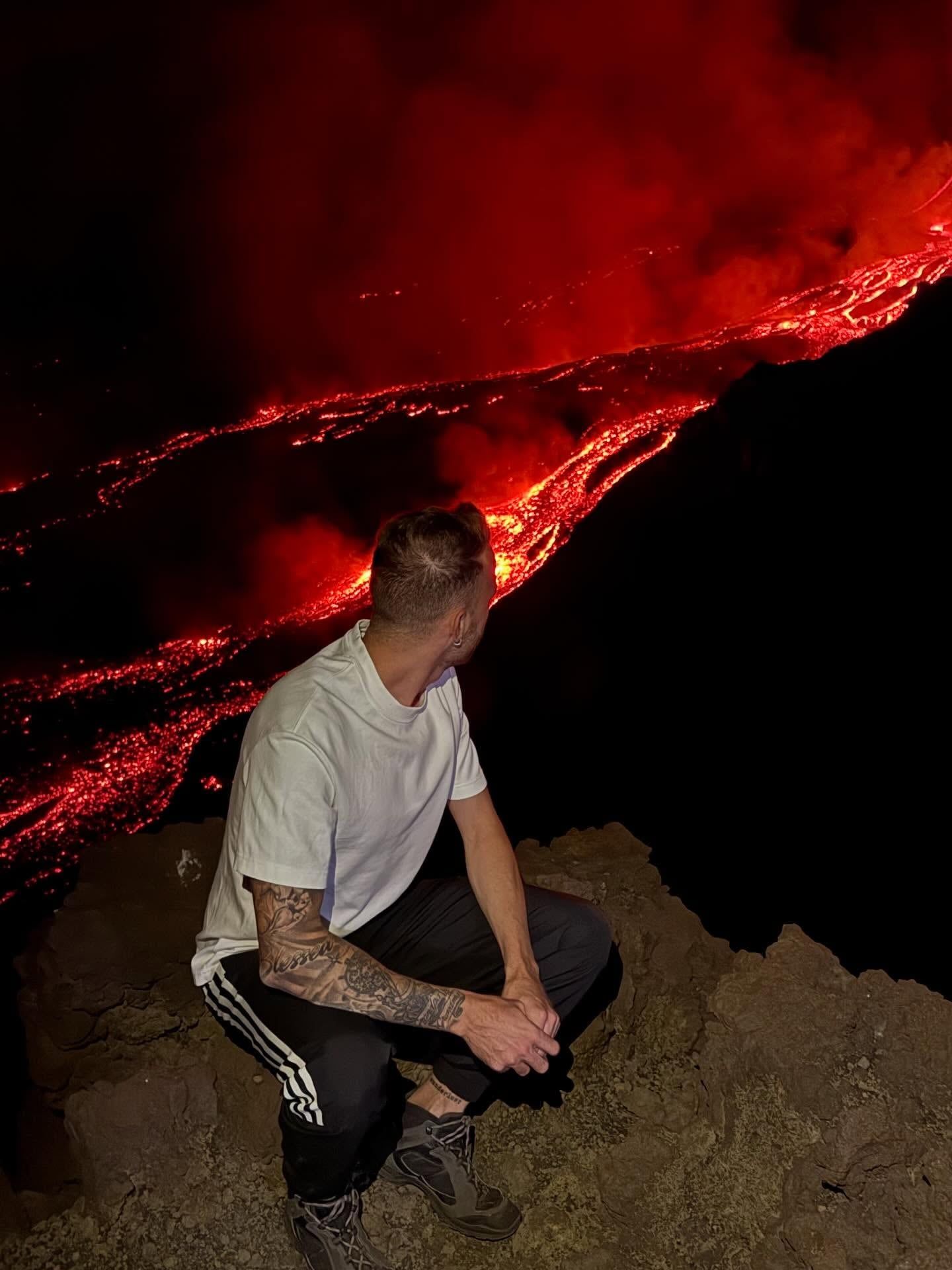
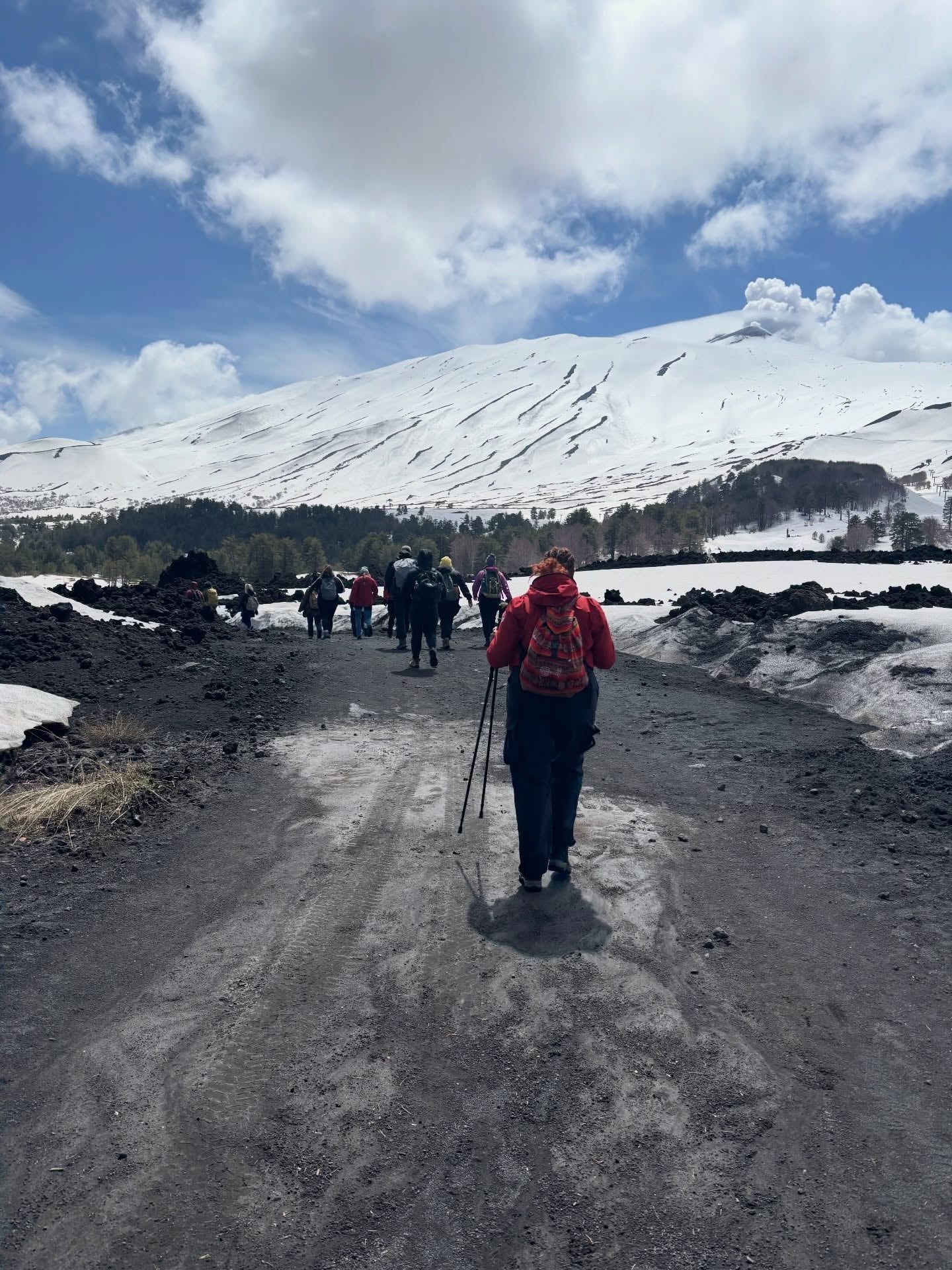
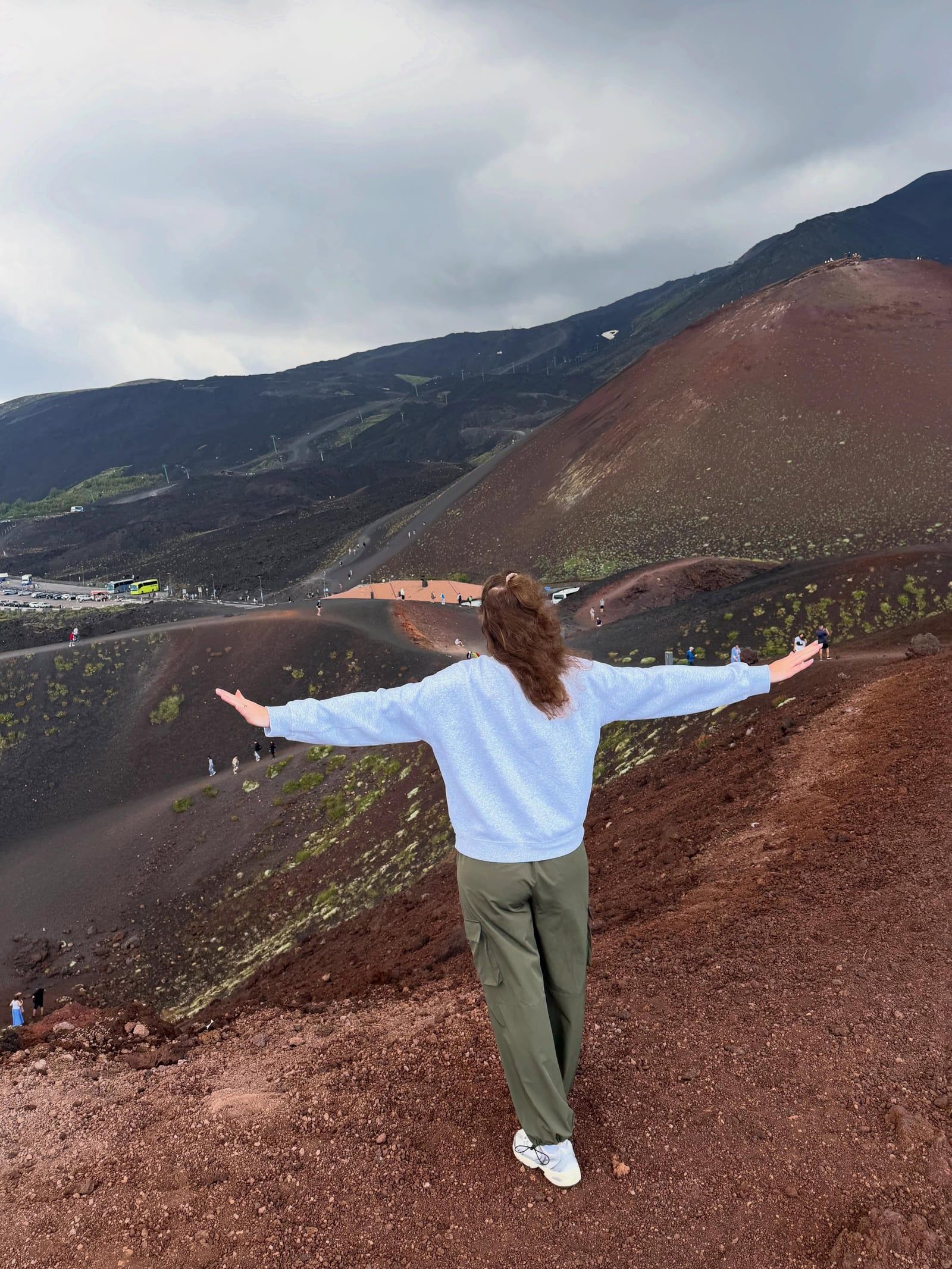
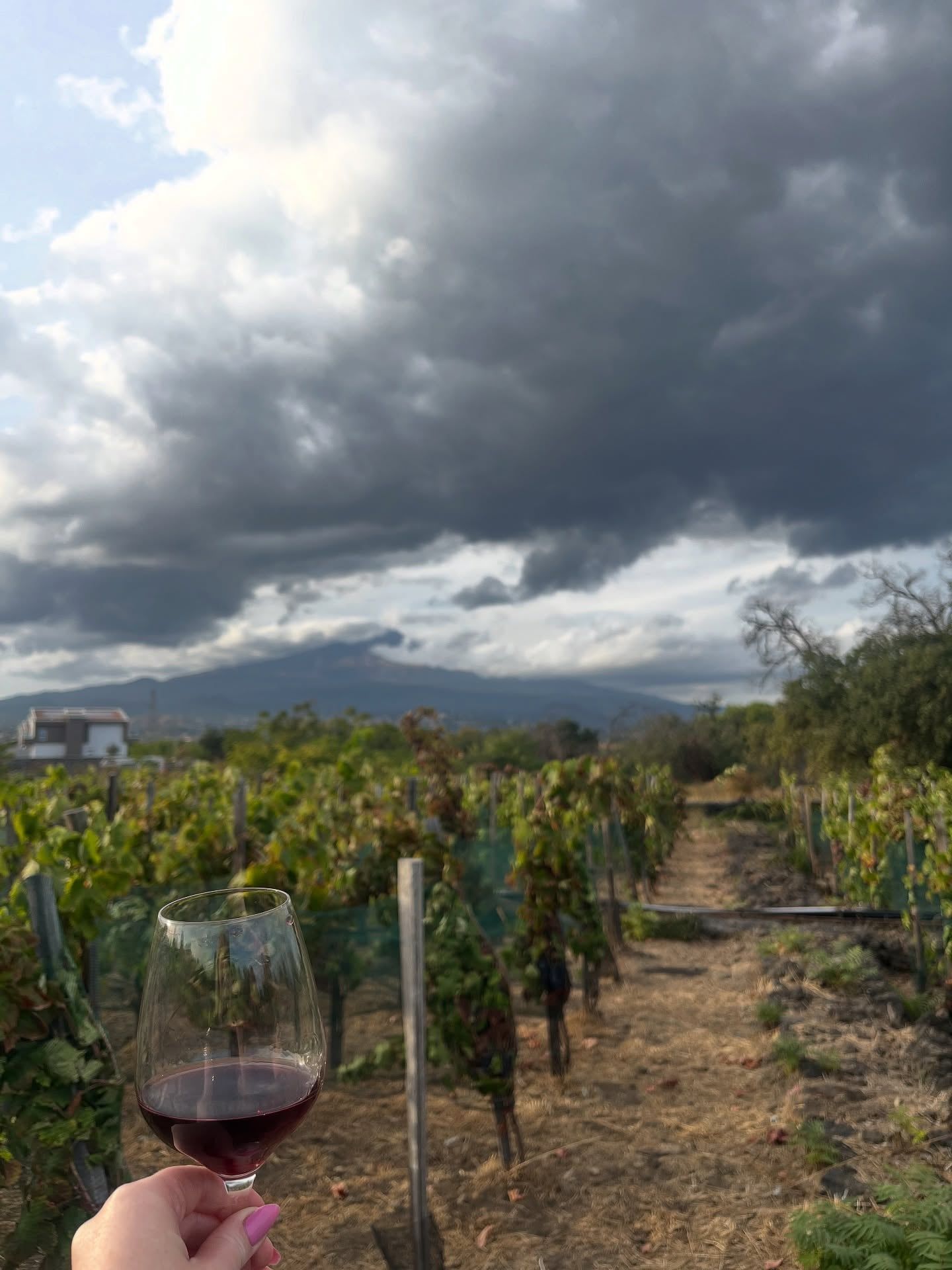
Trekking to the summit of Mount Etna is an intense, otherworldly experience that takes you to the highest active volcanic vents in Europe. You'll transition from lush lower slopes to a stark, lunar landscape of black gravel and smoking craters. Guided summit tours typically combine a cable car ride, a 4x4 off-road drive, and a demanding hike to safely navigate this unpredictable environment.
Most summit tours start with a ride on the Funivia dell’Etna. You'll glide from 1,900 meters up to 2,500 meters in about 10 minutes, watching the green vegetation disappear into solid black lava fields.
From the cable car station, specialized 4x4 minibuses carry groups up steep, rugged terrain to roughly 2,900 meters. It's a bumpy, thrilling ride that drops you off near the Torre del Filosofo area.
The main event is the grueling but rewarding hike to 3,300 meters. Here, you'll stand near the edge of the active vents, surrounded by roaring sounds, geothermal heat, and thick sulfur clouds.
Located right at the base near Rifugio Sapienza, these extinct double craters offer an easy walk. Even if you don't hike to the top, walking their rims provides great views of the Ionian Sea.
Many tours stop to view this massive, horseshoe-shaped caldera. Spanning 14 square miles with towering 3,280-foot cliffs, it acts as a natural basin for slow-moving lava flows.
Some excursions include a detour into ancient subterranean lava tubes like the Serracozzo grotto. Equipped with helmets and flashlights, you'll explore tunnels formed by flowing molten rock.
Mount Etna is a highly active volcano with strict safety regulations, so planning ahead is essential. Here is what you need to know before securing your spot on a summit trek.
You cannot hike to the summit independently. Local laws strictly prohibit unaccompanied hikers from going above 2,500 to 2,800 meters. To reach the 3,300-meter summit craters, you must book a tour with a licensed volcanological or alpine guide.
Recent safety ordinances have capped guided groups at a maximum of 10 people per guide. This makes tours sell out much faster, especially in the busy summer months, so you should book well in advance.
Pay close attention to tour inclusions. While some tours include the cable car and 4x4 jeep tickets in their price, many base tour prices (around $70-$80) only cover the guide and gear. You may need to pay an extra €50 to €82 on-site for the transport to 2,900 meters.
Summit treks are physically demanding. They involve 4 to 6 hours of hiking on steep, loose volcanic ash at high altitudes where the air is thin. These tours are not recommended for pregnant travelers, or anyone with asthma, heart issues, or spinal injuries.
Temperatures drop roughly 6-7°C for every 1,000 meters you climb. Even in August, the summit is freezing and windy. Most tour operators provide free rentals for trekking boots, walking sticks, and helmets, but you must bring your own warm layers and windproof jackets.
Tours are highly dependent on weather and volcanic activity. If gas levels are too high or visibility drops to zero, guides will reroute the trek to lower, safer altitudes (like 2,900m). Most operators offer a full refund if you cancel 24 hours in advance.
The summit hike is not wheelchair accessible. However, visitors with mobility limitations can book specialized adapted 4x4 tours that go up to 6,000 feet, or explore the fully accessible 'Path of Germplasm' on the lower slopes.
Swipe to see more
| South Side Summit Hike | Cable Car & Hiking Tour | Small Group Summit Trek | Summit Craters Trek | |
|---|---|---|---|---|
| Duration | 6 hours | 5 hours | 6 hours | 5 hours |
| Best for | Active hikers wanting the full summit experience | Moderate hikers looking for a balanced trek | Highly fit adventurers wanting a personalized pace | Budget-conscious travelers (paying transport on-site) |
| Includes | Guide, boots, sticks, helmet (Transport extra) | Guide, hiking sticks, wind jacket, helmet | Volcanological guide, trekking shoes, poles | Guide, boots, jacket, helmet |
| Price from | $76 | $64 | $70 | $82 |
Swipe to see more
The Etna cable car (Funivia dell’Etna) operates daily, but hours shift depending on the season:
Important Maintenance Note: The cable car usually closes for annual maintenance from November 15 to December 10. In 2026, scheduled maintenance will also close it from April 8-24 and May 5-20 (4x4 buses will replace it during these times).
Most summit tours start at the Rifugio Sapienza on the south side of the volcano.
Best Months: June through September offer the best conditions for a summit trek. The weather is warmer, and the trails are clear of snow.
Time of Day: Always book a morning tour. By midday, thick clouds and fog frequently roll in around the summit craters, dropping visibility to zero and ruining the views.
Winter Visits: November to March are the worst months for hiking, as the upper slopes are covered in heavy snow and temperatures plunge below freezing. However, this is the perfect time if you want to ski on the active volcano.
Because of the loose volcanic gravel and steep inclines, the summit craters and standard hiking tours are completely inaccessible to wheelchair users or those with severe mobility issues.
However, the park does offer alternatives:
The main hub for south-side tours is Piazzale Rifugio Sapienza at 1,900 meters. Here you will find:
Mount Etna is a heavily monitored UNESCO World Heritage site with strict regulations enforced by forestry police and drones:
Mount Etna's elevation fluctuates due to eruptions and crater collapses, but it currently stands between 3,320 and 3,403 meters (10,900 to 11,165 feet). It is the highest active volcano in Europe.
No. Local safety laws strictly prohibit anyone from hiking above the 2,500 to 2,800-meter mark without a licensed volcanological or alpine guide. Reaching the 3,300-meter summit requires booking an official tour.
A standard round-trip ticket to 2,500 meters costs €50 for adults and €30 for children. If you want the all-inclusive ticket that adds the 4x4 bus and a guide to 2,900 meters, it costs €82 for adults.
You need sturdy, closed-toe trekking boots, long trousers, and warm, windproof layers. Temperatures drop by 6-7°C for every 1,000 meters of elevation, so the summit is very cold and windy even in the middle of summer.
Yes, the AST public bus leaves daily from Piazza Giovanni XXIII in Catania at 8:15 AM and arrives at Rifugio Sapienza at 10:15 AM. The round-trip ticket is €6.60, and the bus heads back down at 4:30 PM.
No, dogs are strictly prohibited within the core property of the UNESCO World Heritage site to protect local wildlife. You will not be able to bring a pet on the summit treks.
Unauthorized personal drone flights are strictly prohibited. The forestry police actively use their own drones to monitor safety zones and enforce the 10-person group limits, so personal drones will be grounded or fined.
While the lower slopes and the 4x4 bus tour to 2,900 meters are very family-friendly, the 4-to-6 hour trek to the 3,300-meter summit is physically demanding and generally not recommended for young children.
Tours are led by expert volcanological guides who monitor gas levels and activity daily. If activity increases, authorities enforce a 200-meter exclusion zone from lava flows, and guides will safely reroute your trek to lower altitudes.
Early morning is the best time to go. By midday, thick clouds and fog almost always gather around the summit craters, which can completely block your views and make navigation difficult.
Browse verified tours with free cancellation and instant confirmation.
Find Tours


Starting from Piazzale Rifugio Sapienza on Etna’s southern side, this tour uses a cable car and 4x4 jeep to reach an altitude of 2,800 meters. From there, you will hike for approximately two hours through lava fields and lunar-like terrain to reach the summit craters at 3,340 meters. All excursions are conducted in strict accordance with current volcanic risk levels and safety regulations. At the summit, you will walk along the rim of the Central Crater and view the Northeast and Southeast Craters, the sites of the volcano's most recent activity. The landscape features active gas vents, volcanic bombs, and ground colored by mineral deposits like sulfur. The descent includes a visit to the Barbagallo craters and a crossing of a lava channel before returning to the starting point via cable car from the 2,500-meter station.
For a full refund, cancel at least 24 hours before the scheduled departure time.
English, Italian, French


This trek takes you to the summit of Mount Etna, Europe’s highest active volcano. The ascent begins with a cable car and 4x4 minibus ride to the Torre del Filosofo area at 2,900 meters. From there, you will hike uphill for approximately 1.5 hours to reach the rim of the central crater. Once at the top, you will reach an altitude of 3,250 meters at the Bocca Nuova. This crater, which opened in 1968, is the most expansive and impressive on the mountain. Because the volcano is active, the itinerary may be adjusted based on current weather conditions or volcanic activity levels to ensure a safe ascent.
For a full refund, cancel at least 24 hours before the scheduled departure time.
English, Italian, French


This guided trek takes you to the summit craters of Mount Etna, reaching an altitude of 3,000 meters. The journey begins at the Sapienza Refuge in Nicolosi, where you will board a cable car to reach the 2,500-meter mark. From there, you will begin a hike led by a certified alpine and volcano guide to explore the highest active volcano in Europe. The hiking portion of the tour lasts approximately five hours. Please note that the itinerary and access to the 3,000-meter level are subject to change based on current volcanic activity and weather conditions. Safety is the priority, and tours may be cancelled if weather conditions are unfavorable.
For a full refund, cancel at least 24 hours before the scheduled departure time.
English, Italian, French


This excursion takes you to the highest accessible points of Mount Etna. Led by a certified volcanological guide, you will walk across the summit craters to see the volcano's recent activity firsthand. The guide provides technical insights into the geological history and the specific volcanic processes that shaped the current landscape. To ensure a personal experience and better safety on the terrain, groups are kept to a maximum of 10 people. This smaller scale allows for direct communication with the guide and a steadier pace while navigating the volcanic slopes and crater rims.
For a full refund, cancel at least 24 hours before the scheduled departure time.
English, Italian, French